
OUR VISION
Engaged women leading and serving their communities.
OUR MISSION
To educate and inspire women leaders to make a difference
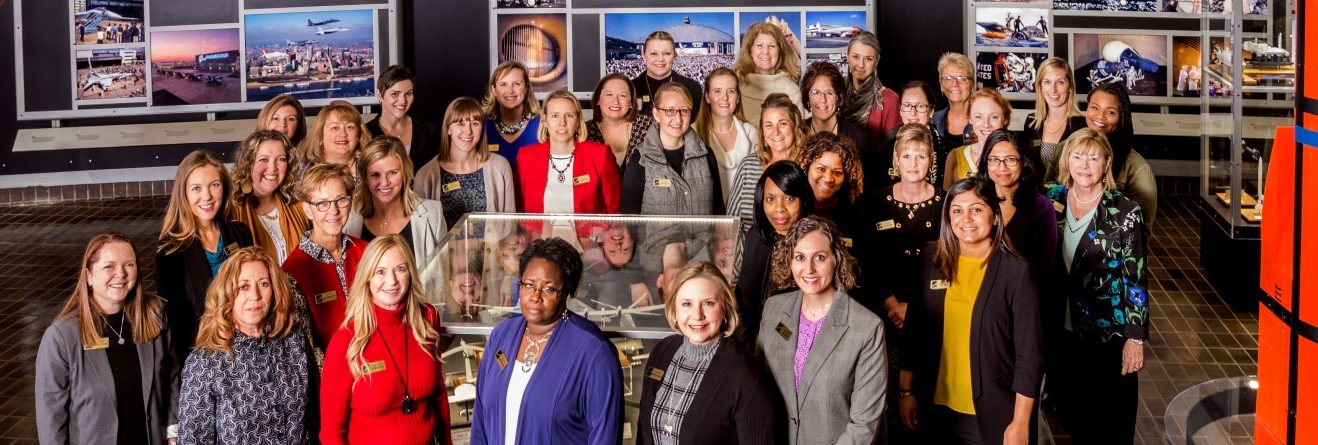
The Greater Missouri Leadership Foundation is the premier statewide women’s leadership development organization in Missouri. Founded in 1990, Greater Missouri is a 501(c)3 organization that includes a network of more than 1,000 prestigious alumnae from throughout the state: corporate executives, lawyers, physicians, allied health professionals, journalists, education leaders, artists, financial service industry leaders, nonprofit executives, engineers, entrepreneurs, elected officials, and more.
What We Do
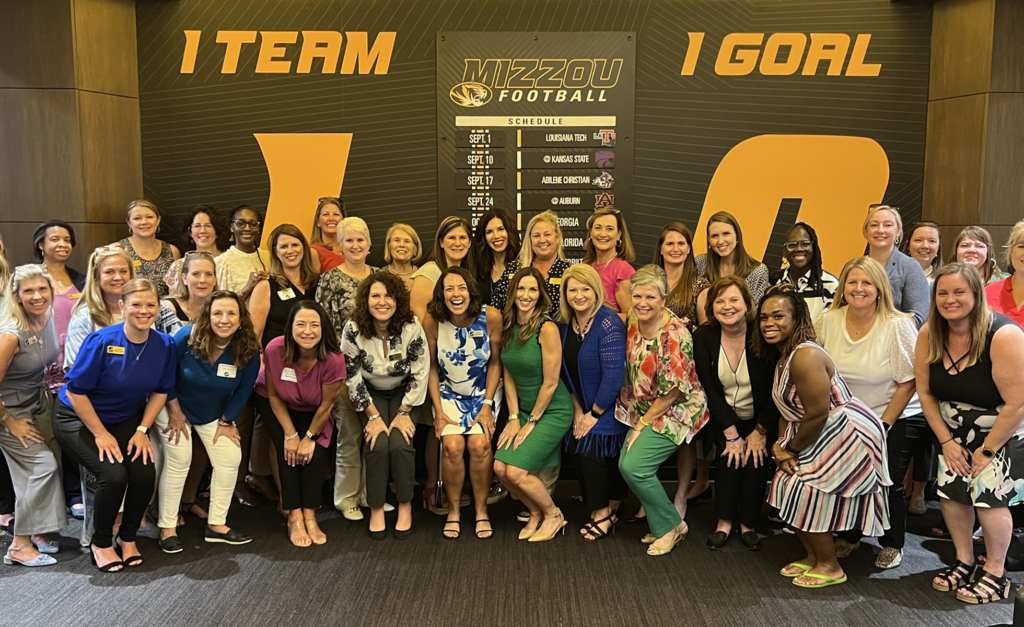
The marquee program of the Foundation, the Greater Missouri Leadership Challenge is a year-long statewide traveling symposium that provides women leaders with education and experiences to inspire them in addressing critical issues facing our state. Participants meet for four, three-day sessions combining continuing education in leadership development, information and major discussion of state policy issues, and exposure to the philosophies and thoughts of the state’s business, cultural, educational and political leaders.